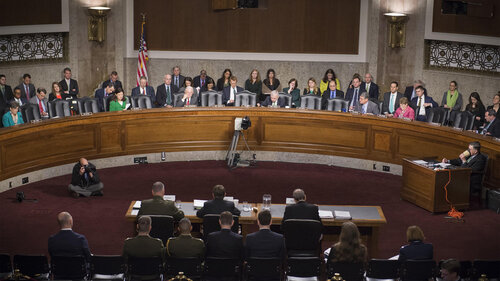
The relationship between the United States and China has become one of the most consequential dynamics shaping the global order in the 21st century. Both nations wield unparalleled economic, political, and military might, yet their divergent goals often place them at odds. With rising tensions akin to Cold War echoes, calls for a measured and “sane” approach to US-China relations are increasingly urgent. This blog explores how policymakers, business leaders, and global citizens can advocate for actionable, cooperative strategies to manage this intricate relationship.
The Case for a Pragmatic US-China Policy
A pragmatic policy hinges on responsive leadership that balances competition with engagement. Rather than resorting to a zero-sum mentality, www.saneuschinapolicy.org which often exacerbates tensions, a sane policy acknowledges the complexities of the relationship. It focuses on mutual benefits, understanding that the health of this bilateral tie directly impacts global stability, prosperity, and innovation.
Key pillars include:
- Transparent Communication to reduce misunderstandings.
- Collaboration on Shared Global Challenges, like climate change.
- Proactive Responses to Trade and Security Concerns, with nuanced solutions that avoid outright confrontation.
The stakes couldn’t be higher. To avert a new Cold War scenario, both nations need partners who can think beyond short-term advantages and work towards long-term global solutions.
Promoting Constructive Dialogue in the US-China Dynamic
At the heart of a sane US-China policy lies the need for constructive dialogue. Honest, open communication is the foundation for addressing global issues where interests align and mitigating potential conflict where they don’t. Without dialogue, opportunities for collaboration evaporate, leaving room only for mistrust and rivalry.
Constructive communication can:
- Address Frictions: From trade disputes to military posturing, diplomacy can prevent confrontations from spiraling into crises.
- Foster Mutual Understanding: Differences in governance and values are a reality, but resolution is more feasible with a shared baseline understanding.
- Deepen Economic Integration: Engaging in bilateral conversations creates opportunities that stimulate growth for both nations.
For instance, regular diplomatic engagements on economic issues such as intellectual property concerns or market access can help disentangle complexities in US-China trade relations. Similarly, people-to-people exchanges, like cultural programs and academic collaborations, play a vital role in bridging societal divides.
Overcoming Barriers to US-China Cooperation
Despite the clear benefits, roadblocks to cooperation remain formidable. Misunderstandings, misaligned priorities, and political pressures from domestic constituencies are significant hurdles. To overcome these barriers, a comprehensive, multidimensional approach is necessary.
Strategies to Foster Cooperation:
- Rebuilding Trust: Both nations must show a genuine willingness to compromise. Confidence-building measures such as military-to-military dialogues or transparency initiatives can reduce suspicions.
- Leveraging Interdependence: The US and China are deeply intertwined economically. Harnessing this mutual dependence to incentivize cooperation could yield win-win outcomes.
- Collaboration on Transnational Issues: Addressing climate change requires the US and China, as the world’s largest emitters, to lead global efforts. Similarly, dealing with pandemics or modernizing global health systems mandates close coordination.
For example, the 2014 US-China Joint Announcement on Climate Change is a historic precedent of bilateral success. By working together to align emission reduction goals, both nations demonstrated what cooperative efforts could achieve. Reviving such partnerships on sustainable development offers immense promise.
Understanding China’s Global Actions and Motivations
China’s role on the global stage is multidimensional, shaped by an imperative to bolster its economic clout and establish itself as a global leader. Evaluating its actions with a balanced lens is critical to crafting informed policy decisions.
China’s Actions on Global Stability:
- Commitment to Multilateralism: Active participation in entities such as the United Nations or the Belt and Road Initiative underscores China’s desire for involvement in global governance.
- Economic Reach: Initiatives like the Asian Infrastructure Investment Bank aim to expand China’s influence but also contribute to global economic development.
- Strategic Military Maneuvers: China’s territorial claims and growing military presence in regions like the South China Sea continue to be contentious topics.
However, balancing critique with understanding is essential. For example, while China’s rise as a technology hub enhanced global innovation, debates around intellectual property protection continue to shape perspectives of its intent. Policymakers must ensure that their assessments balance fairness and vigilance.
Rethinking US Engagement with China for the 21st Century
The evolving geopolitical landscape necessitates a re-evaluation of how the US approaches its engagement with China. Years of interdependence have yielded both opportunities and challenges that require a modernized and effective approach.
What Should Shape this Re-engagement?
- Supportive Economic Frameworks: Strengthen mechanisms like trade agreements that promote fair competition while respecting respective national interests.
- Diplomatic Mobilization: Use diplomacy to address security concerns, human rights issues, and cyberspace vulnerabilities.
- Acknowledging Political Systems: While acknowledging differences in governance, engagement should focus on shared objectives rather than pursuing ideological conformity.
Policymakers must also consider how their decisions impact their own citizens. A balanced trade policy with China could translate into job stability, reduced costs for imports, and protection of competitive advantages for key US industries.
A Shared Future Through Collaboration
Despite challenges, collaboration between the US and China is not only possible but essential to addressing humanity’s most pressing issues. Whether combating global warming, ensuring food and water security, or preventing future pandemics, collaborative efforts between these superpowers are critical to achieving sustainable progress.
What Can US and China Do Together?
- Climate Action Commitments: Enhance joint commitments to reduce greenhouse gas emissions.
- Technological Cooperation: Collaborate on regulating artificial intelligence while fostering competition-driven innovation.
- Shared Economic Growth: Align efforts to stabilize global supply chains, benefiting businesses and consumers worldwide.
Both nations excel at innovation, and by combining their strengths, they can advance the global economy while fostering a period of relative peace. What’s needed is visionary leadership willing to look past current obstacles and see the long-term picture.
Driving a Sane US-China Policy Forward
The United States-China relationship stands at a pivotal crossroads. While tensions and complexities abound, a chapter defined by collaborative problem-solving and mutual respect is well within reach. It takes deliberate, informed policymaking, active participation, and trust-building initiatives to achieve a future where both nations thrive.
Promoting a sane US-China policy isn’t just about managing short-term gains or mitigating immediate conflicts. It’s about setting the foundation for decades of stability, prosperity, and innovation in a shared global landscape.
By emphasizing dialogue, cooperation, and mutual respect, there is an opportunity to transform the world’s most consequential bilateral relationship into the stabilizing force the international community so desperately needs.
Discover more about a realistic path forward for US-China relations with insights from https://www.saneuschinapolicy.org. Take action now and shape a better future.